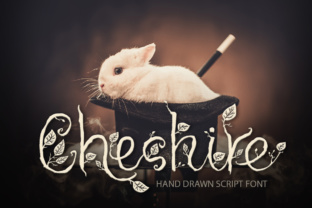
Reed Hop Font: Fresh Handwritten Script for Makers
Finding the perfect typeface for handmade products often feels like searching for a needle in a haystack. As creators, we need more than just pretty letters; we need a font that translates beautifully from screen to physical substrate. Reed Hop is a fresh handwritten script font that bridges the gap between digital design and tangible craft. Its natural flow and classy aesthetic make it an exceptional choice for small business owners, Etsy sellers, and stationery designers who want their work to feel personal yet professional. When you are designing packaging, labels, or invitations, this typeface offers the authentic handwriting taste that customers crave without sacrificing the polish required for commercial goods.
Elevating Product Packaging and Labels
In the world of handmade goods, packaging is often the first physical touchpoint a customer has with your brand. Whether you are selling artisanal candles, organic skincare, or boutique baked goods, the typography on your label sets the expectation for quality. Reed Hop excels in this arena because its letterforms are distinct enough to be legible at smaller sizes while retaining a fluid, organic charm. Unlike stiff display fonts, this script font mimics the pressure and release of a real pen, adding warmth to minimalist packaging design.
For candle makers and soap artisans, using Reed Hop for product names or scent descriptions creates an immediate emotional connection. The font’s slightly irregular baseline prevents the design from looking mass-produced, which is crucial for maintaining that coveted "handmade" value proposition. However, it remains structured enough to ensure that important information, such as scent notes or ingredients, remains readable. When designing bottle labels or jar stickers, consider using Reed Hop for the primary product title and pairing it with a clean sans serif font for the regulatory text. This contrast ensures compliance and clarity while letting the creative font shine where it matters most.
Stationery, Invitations, and Paper Crafts
Paper goods require a delicate balance of elegance and readability. Reed Hop is particularly effective for wedding stationery, birthday invitations, and greeting cards where the tone needs to be celebratory yet refined. For wedding welcome boards and seating charts, this handwritten font provides the romantic flair of traditional calligraphy but with the consistency of modern typography. It works beautifully for couple names, table numbers, and short phrases like "Welcome" or "With Love."
When creating printable wall art or digital downloads, Reed Hop serves as a versatile anchor for quotes and affirmations. Its fresh style avoids the overly ornate swirls that can sometimes date a design, making it suitable for both nursery decor and modern office prints. For Cricut and Silhouette users, the font’s connected strokes are generally smooth, reducing the risk of tearing when cutting vinyl for decals or iron-on transfers. Always test cut a sample at your intended size, especially for intricate letters, but you will likely find that Reed Hop holds its integrity well on cardstock, adhesive vinyl, and heat transfer materials.
Building Brand Identity with Consistent Typography
Your font choice is a cornerstone of your brand identity. Using a premium font like Reed Hop across multiple touchpoints helps build recognition and trust. When customers see that same familiar, friendly script on your Instagram graphics, website headers, and shipping tags, it reinforces a cohesive brand experience. This consistency signals professionalism and attention to detail, distinguishing your shop from competitors who may rely on overused free fonts.
Reed Hop is ideal for logo design and social media templates because of its adaptable personality. It feels equally at home on a rustic farmhouse sign as it does on a sleek, modern business card. For content creators and digital marketers, using this script font in Pinterest pins or promotional graphics can increase engagement by stopping the scroll. The human element inherent in handwritten fonts tends to perform better in social feeds than rigid geometric typefaces, as they subconsciously signal authenticity and approachability.
Practical Pairing and Layout Strategies
To maximize the impact of Reed Hop, thoughtful font pairing is essential. Because this is an expressive script font, it should generally serve as the accent rather than the workhorse. Avoid setting long paragraphs in Reed Hop; instead, reserve it for headlines, names, signatures, and short decorative phrases. For body copy, pricing lists, or detailed product descriptions, pair it with a simple serif font or a neutral sans serif font. This hierarchy guides the viewer’s eye and ensures that the decorative elements enhance rather than obscure the message.
Consider the negative space around the letterforms. Handwritten scripts like Reed Hop often have unique swashes or extended ligatures that require breathing room. When designing product tags or sticker sheets, avoid crowding the text against borders or other graphic elements. Allowing the font to stand alone or interact gently with botanical illustrations or line art preserves its classy aesthetic. If the font file includes alternate characters or swashes, use them sparingly to add variety to repeated words, such as "Sale" or "New," without making the layout look chaotic.
Technical Considerations for Crafters and Sellers
Before incorporating Reed Hop into your production workflow, verify the technical specifications included in your download. Check for multilingual support if you create products for international markets or bilingual packaging. Additionally, review the available file formats; OTF and TTF files are standard for desktop design software, while SVG files are necessary for direct use in cutting machine software. Having access to multiple formats ensures you can maintain visual consistency whether you are designing a mockup in Photoshop or cutting a decal in Cricut Design Space.
Readability on different textures is another practical concern. Inkjet printers may bleed slightly on uncoated paper, which can actually enhance the handwritten look of Reed Hop. However, if you are printing on glossy surfaces or using embossing powder, ensure the stroke weight is sufficient to hold the medium. For embroidered items like tote bags or shirts, this font’s natural flow translates well to stitch paths, but you may need to adjust the spacing in your digitizing software to prevent thread breaks on tighter curves.
Navigating Commercial Licensing for Your Business
One of the most critical aspects of using any creative font in a business context is understanding the licensing terms. Reed Hop is positioned as a commercial font, but you must always verify the specific license included with your purchase. Typically, a standard commercial license allows you to use the font to create physical end products for sale, such as mugs, t-shirts, signs, and printed stationery. It also usually covers digital end products like editable templates or printable wall art.
However, restrictions often apply to certain uses. For example, some licenses prohibit embedding the font file itself in a template meant for resale, or they may limit the number of units you can produce before requiring an extended license. If you plan to use Reed Hop for client work, such as designing a custom wedding suite for a third party, ensure your license covers freelance design services. Keeping your font usage compliant protects your business and respects the type designer’s intellectual property. Always keep a copy of your license receipt handy, as platforms like Etsy or Creative Market may request proof of commercial rights during shop reviews or dispute resolutions. By treating typography as a legitimate business asset, you ensure your creative endeavors remain sustainable and legally sound.